You're standing in your home. The closing was three hours ago. The previous owner's furniture smell is lingering, and you haven't found the light switches yet.
This is not the time to panic.
The next 30 days aren't about renovation dreams. They're about learning your home—what works, what needs attention, and what paperwork matters. You need a system.
Here's how to spend the first month like someone who actually knows what they own.
Week 1: Find Your Emergency Controls
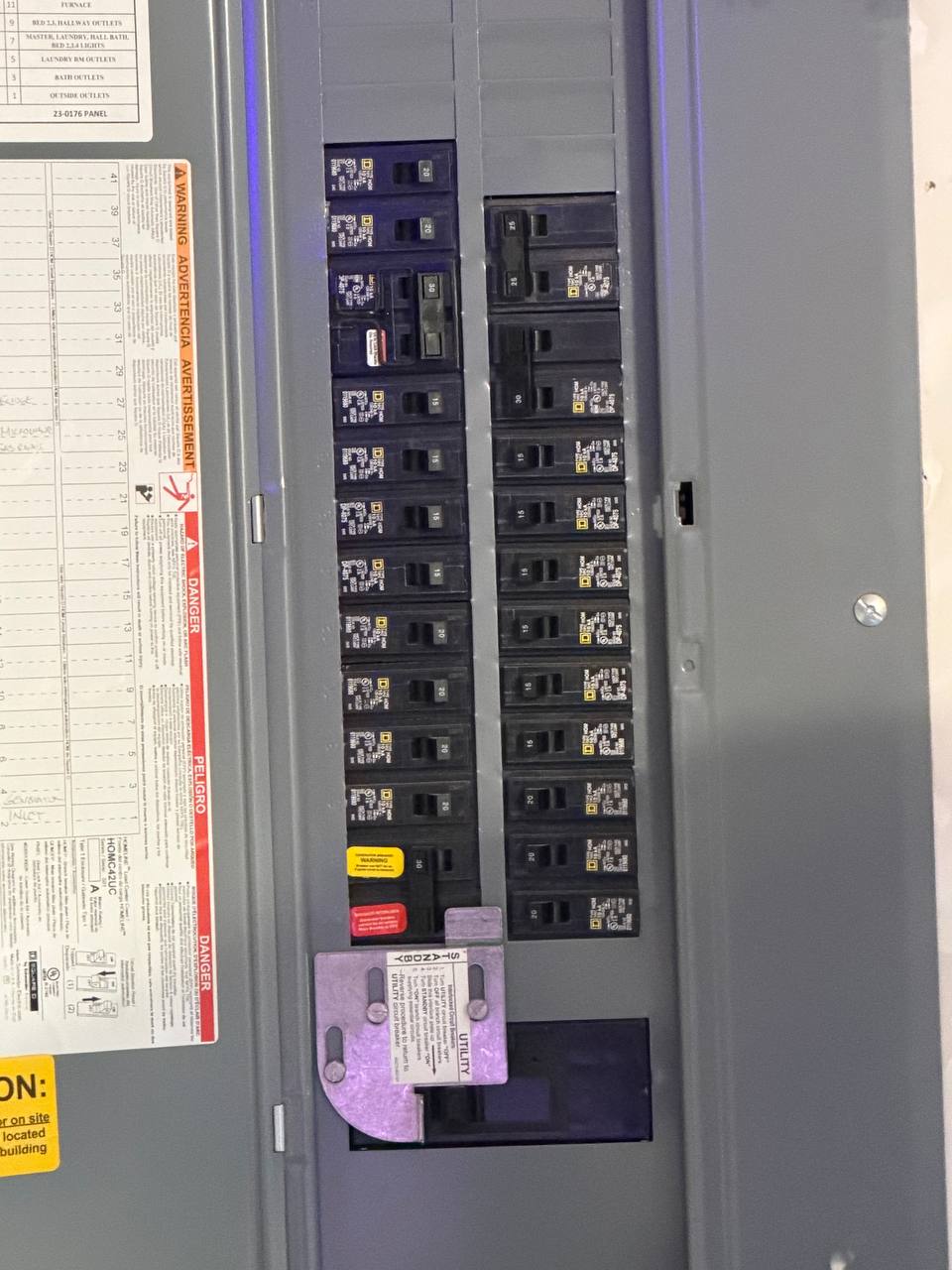
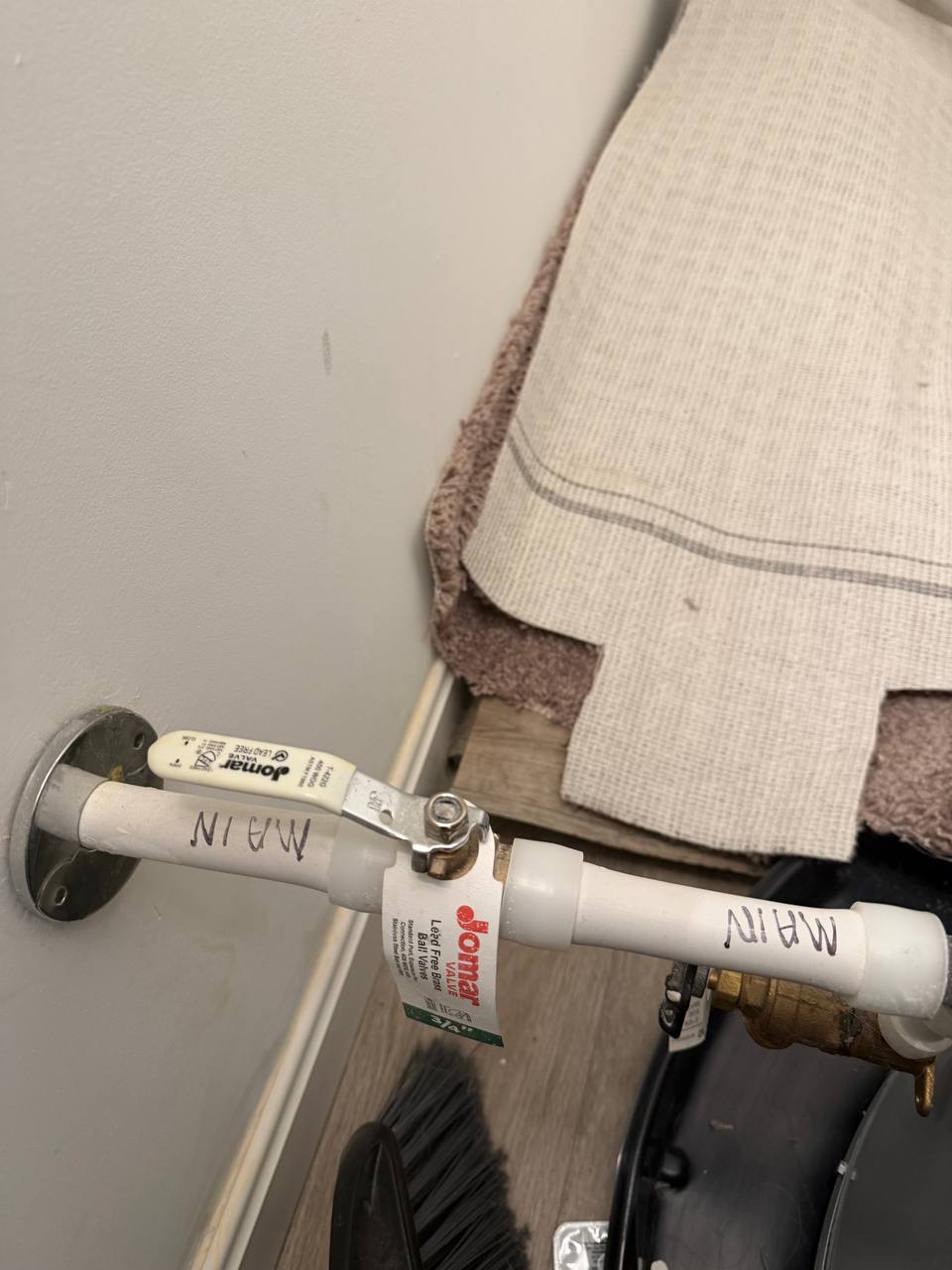
Days 1–2: Locate your breaker panel, water shutoff, and gas valve.
These are your three lifelines. You should be able to find them in the dark. Take photos. Write down their locations in your phone. If labels are missing or faded, replace them this week—$10 now saves you a frantic call at 2 a.m. during an actual emergency.
Days 3–4: Test your major systems.
Go through your home and test:
- All light switches and outlets
- HVAC system (heat or AC, depending on season)
- Water heater (check temperature, run hot water in every sink)
- Garage door opener
- Door locks and deadbolts
- Windows (open and close at least half)
Don't panic if something doesn't work perfectly. Write it down. That's your maintenance priority list.
Days 5–7: Take baseline photos.
Photograph all rooms, closets, basement/crawl space, attic, and exterior (roof, siding, gutters, foundation, driveway). Store these with your closing documents. In five years, you'll have proof.
Week 2: Check for Problems
HVAC and air quality: Find your furnace filter, buy the right size, and write it down. A clogged filter costs you money every day. If you're moving in during heating or cooling season, run your HVAC for a full day to confirm it works.
Water and moisture: Check under every sink for leaks. Look at your basement or crawl space for water stains. Run water in every sink, shower, and toilet. Watch for slow drains. A slow drain today is a $20 fix. Ignored for six months, it's a $500 problem.
Windows and doors: Open every window and door. Does it close smoothly? Does it lock? Are there gaps? These are comfort and security issues.
Roof and gutters: If you feel safe on a ladder, look at the gutters and roof condition. If not, hire an inspector for $150–300. It's worth the peace of mind.
Week 3: Organize Your Records
Find and organize closing documents.
Your deed, mortgage papers, insurance policy, HOA documents, inspection report, and title insurance need to stay with you forever. Store originals safely (safe deposit box or fireproof safe). Scan and keep digital copies too.
Collect warranties and service records.
Look for HVAC service records, roof work, plumbing and electrical work, appliance manuals, and septic records. Whatever you find, photograph and keep it.
Track your equipment in one place with Home Assure.
For every major appliance, system, and piece of equipment, you need to know:
- Model number and serial number
- Installation date and contractor
- Warranty expiration
- Service history
Instead of scattering receipts across drawers and emails across five folders, Home Assure stores everything in one searchable vault. Our app lets you:
- Upload documentation — photographs, receipts, warranties, and service records all in one place
- Track maintenance — never miss an HVAC filter change or service appointment
- Search everything — find any receipt, manual, or contractor note instantly
- Prepare for sales or claims — have complete documentation ready when you refinance, file an insurance claim, or sell your home
Upload photos of your equipment, serial numbers, and warranties once. Everything syncs across your devices and is searchable forever. When a contractor works on your home, photograph their invoice and add it immediately. When you need it—during an insurance claim or home sale—it's all organized and ready.
Your 30-Day Action Plan
- Days 1–2: Find and photograph breaker panel, water shutoff, gas valve
- Days 3–4: Test all major systems
- Days 5–7: Take baseline photos of all rooms and exterior
- Day 8: Buy furnace filters and write down the size
- Day 9: Run HVAC system for a full day cycle
- Day 10: Check under every sink for leaks
- Day 11: Run water in every sink and shower; check for slow drains
- Days 12–14: Inspect windows and doors
- Day 15: Check roof and gutters (or schedule a professional)
- Days 16–18: Organize closing documents and store safely
- Days 19–22: Collect warranty, manual, and service records
- Days 23–30: Create your equipment record and photograph serial numbers
When you finish this list, you'll understand your home better than most homeowners learn in a year. You'll have documents organized. You'll have photos. You'll have a starting point for tracking maintenance.
More importantly, you'll feel like you own it, not like it owns you.
Moving Forward: Keep It Organized with Home Assure
The first 30 days are about learning. After that, maintenance becomes rhythm: seasonal tasks, occasional repairs, and updating your records when contractors work on your home.
The key to staying ahead is keeping everything in one place. Keep your baseline photos, closing documents, and equipment records accessible. Update your maintenance list as contractors come and go. When something breaks, you'll know who fixed it last time. When you sell or refinance, you'll have documentation of what you invested.
This is exactly what Home Assure is built for. Instead of managing spreadsheets, email receipts, and filing cabinets:
- Upload once, access everywhere — all your home documentation syncs across devices
- Never lose a receipt or warranty again — searchable, backed up, organized by room and equipment
- Track maintenance timelines — know when your HVAC filter is due, when warranties expire, and what contractors have worked on what
- Be prepared for anything — home selling, refinancing, insurance claims, or emergency situations
Download the Home Assure app today and spend the first 30 days building your home's complete record. By the end of month one, you'll have a verified, searchable vault of everything that matters about your home.
That's the difference between owning a home and just living in one.
Related reading: